Unpacking Symbol Animation Pipelines in Handheld Reel Titles from Mid-Sized Studios
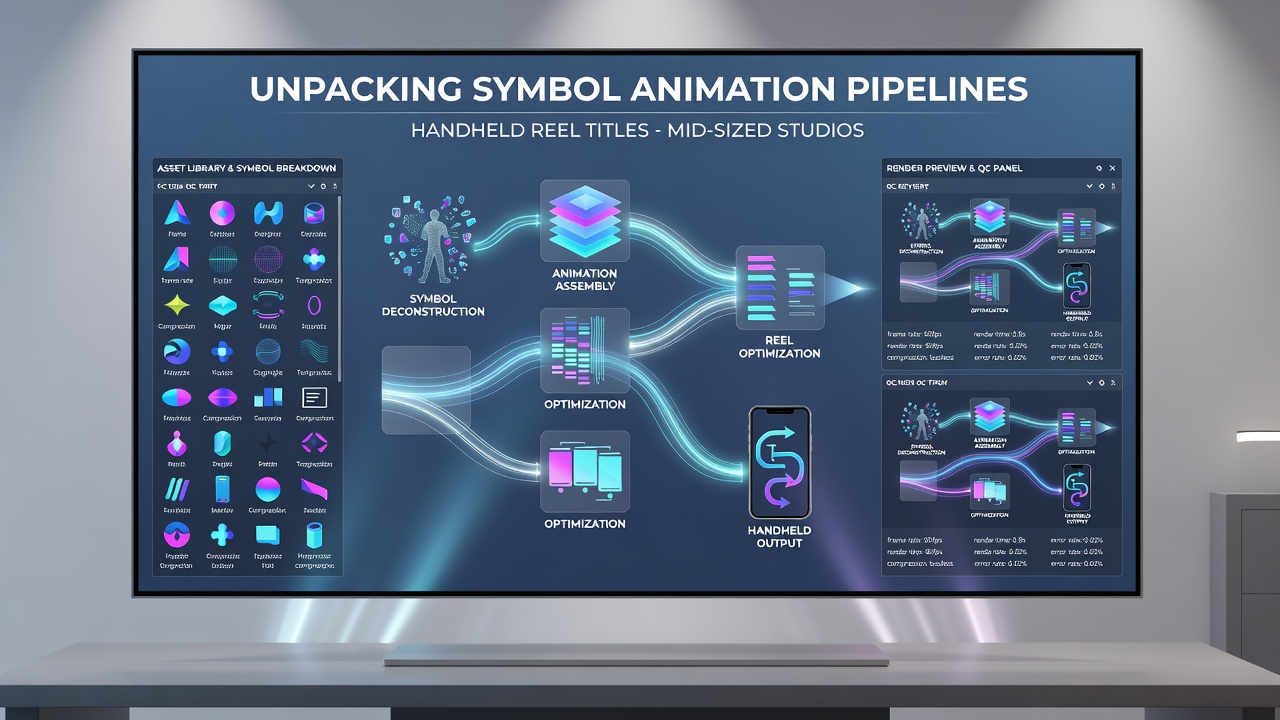
Mid-sized studios handle symbol animation pipelines through structured workflows that move assets from initial concept to final integration on handheld devices, where reel mechanics demand precise timing and smooth transitions. These pipelines incorporate 2D and 3D animation tools alongside game engines optimized for mobile performance, allowing developers to manage symbol movements that align with random number generator outputs across touch-enabled platforms.
Research from industry reports indicates that studios typically begin with asset creation in software such as Adobe Animate or Spine, followed by rigging processes that define bone structures and deformation parameters for each symbol. Data shows these steps reduce file sizes while preserving visual fidelity, which proves essential when titles run on devices with varying screen resolutions and processing capabilities.
Core Components of Animation Pipelines
Observers note that mid-sized teams divide pipelines into distinct phases including pre-production asset gathering, iterative animation testing, and post-production optimization for different operating systems. Engineers integrate particle effects and lighting adjustments during the testing phase, which ensures symbols respond consistently during reel spins and bonus sequences without exceeding memory limits on handheld hardware.
According to technical documentation from gaming technology providers, synchronization between animation timelines and reel logic occurs through custom scripting layers that map frame rates to game events. This approach allows symbols to exhibit cascading movements or highlight effects while maintaining frame rates above 60 per second on mid-range smartphones and tablets.
Optimization Strategies for Portable Formats
Developers apply level-of-detail adjustments that scale animation complexity based on device capabilities, a technique documented in proceedings from game development conferences. Mid-sized studios often employ texture atlasing methods to consolidate multiple symbol variants into single files, which cuts down on draw calls and improves loading times during initial game sessions.
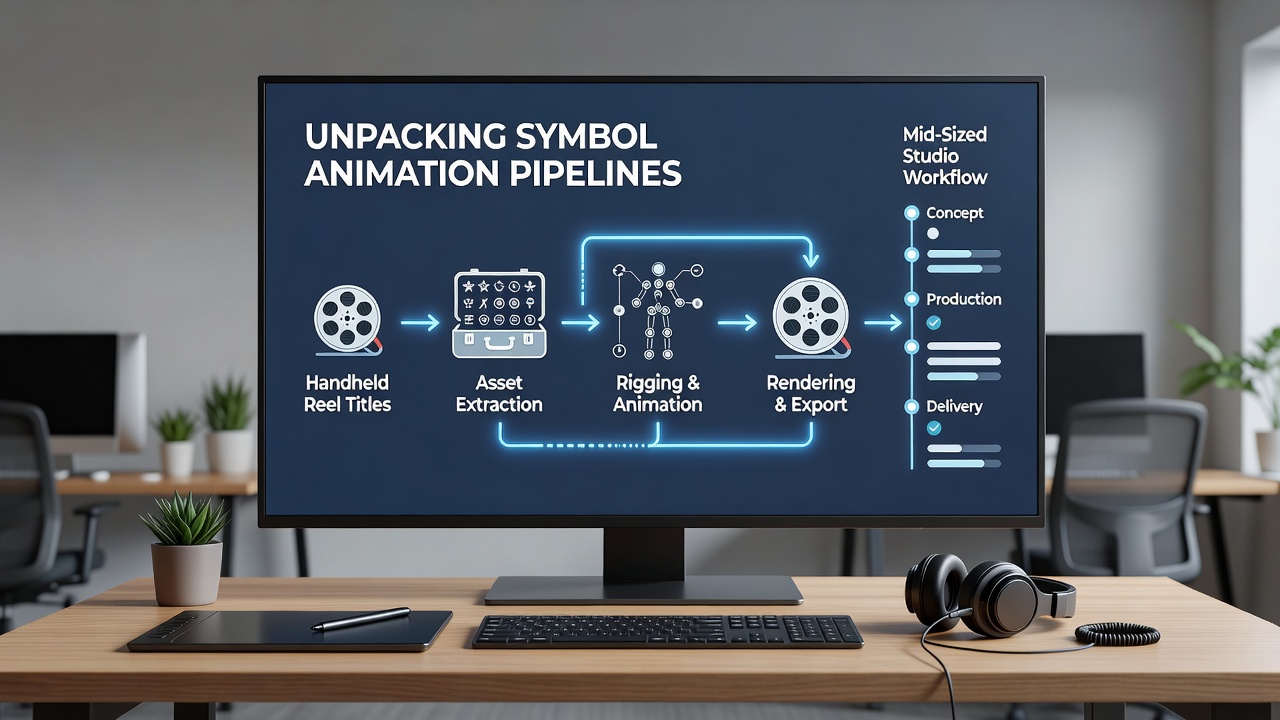
Figures from mobile gaming performance benchmarks reveal that compression algorithms applied during export stages maintain visual quality across networks with variable latency. Teams test these pipelines on representative device clusters to identify bottlenecks in symbol rendering, particularly when multiple reels display simultaneous animations during feature triggers.
Integration with Broader Development Cycles
Those who track studio operations report that animation pipelines intersect with sound design and user interface elements through shared asset management systems. Version control protocols track changes to symbol behaviors across builds, enabling rapid iterations when regulatory updates affect spin intervals or payout displays in July 2026 releases.
Industry associations such as the International Game Developers Association have published guidelines on collaborative tools that support distributed teams working on these pipelines. Mid-sized operations leverage cloud-based rendering farms to generate preview sequences, which accelerates feedback loops between animators and programmers before final certification.
Recent Pipeline Adaptations in 2026
Updates to handheld operating systems in mid-2026 prompted several studios to revise their animation export formats for improved compatibility with new GPU features. Reports from testing laboratories highlight how these revisions support advanced shader effects on symbols without increasing overall package sizes beyond platform submission thresholds.
One case documented by researchers at the University of Nevada involved a mid-sized developer streamlining its pipeline to incorporate procedural animation generators for thematic symbols, resulting in reduced manual keyframing hours while preserving consistency across reel positions. Such adaptations align with broader trends in portable gaming where titles must deliver console-level visuals on compact hardware.
Conclusion
Symbol animation pipelines in handheld reel titles from mid-sized studios reflect coordinated use of established tools and custom optimizations that address device constraints and regulatory requirements. Continued refinements in these workflows support the delivery of titles that maintain visual engagement across diverse player hardware configurations through July 2026 and beyond.