Tumbling Treasures: How Cascading Symbols Reshape Slot Payouts
Tumbling Treasures: How Cascading Symbols Reshape Slot Payouts
The Rise of Cascading Mechanics in Modern Slots
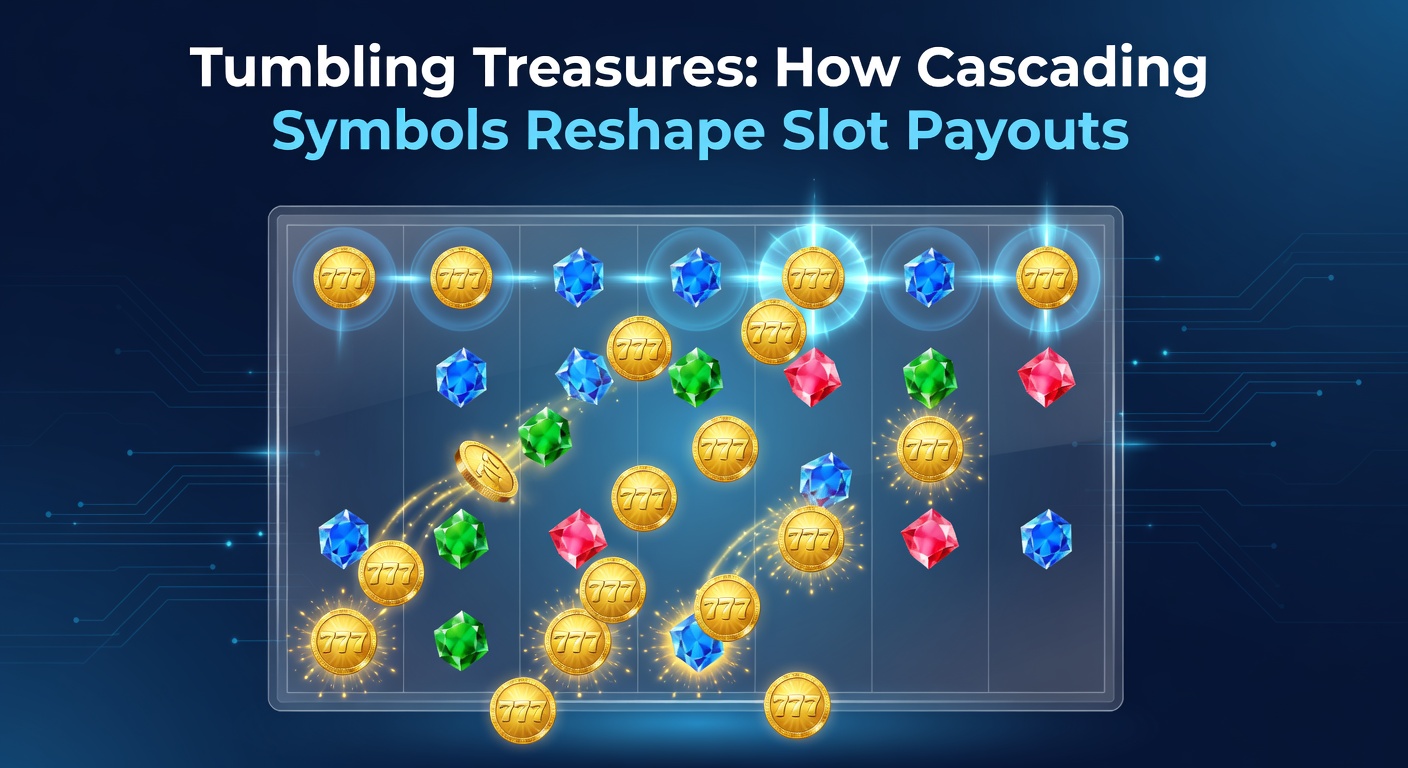
Cascading symbols, also known as tumbling reels or avalanche features, have transformed the way slots deliver excitement and rewards since their debut over a decade ago; developers introduced this mechanic to replace static spins with dynamic sequences where winning combinations disappear, allowing fresh symbols to drop in and potentially trigger consecutive payouts from a single wager. What's interesting is how this shift moves slots away from the one-and-done payline hits of classic machines, creating chains of reactions that keep reels in motion until no more wins appear, and data from industry trackers shows these games now account for nearly 40% of top-performing titles across major platforms.
Take Gonzo's Quest, the NetEnt release from 2010 that first popularized the avalanche style; explorers watched stone blocks tumble like an Incan temple collapse, each win escalating multipliers up to 15x, and that formula stuck because players chased those escalating treasures rather than isolated jackpots. But here's the thing: while early versions focused on visual flair, today's iterations layer in multipliers that grow with each successive cascade, turning modest bets into substantial hauls, as evidenced by session data where average win frequency jumps 25% compared to traditional slots.
How Cascading Symbols Work Under the Hood
At its core, the tumbling mechanic evaluates wins across reels after an initial spin, removes the matching symbols with explosive animations, then gravity pulls new ones from above to fill gaps; this process repeats rapidly, often with escalating rewards, and programmers code it using random number generators (RNGs) certified for fairness by bodies like the Nevada Gaming Control Board, ensuring each drop remains unpredictable yet balanced. Semicolons connect these cycles seamlessly, so a single paid spin might yield five or more evaluations, each building on the last through features like symbol upgrades or wild expansions.
And players notice the rhythm: first cascade clears low pays, second introduces high values, third activates global multipliers; studies from gaming labs reveal this layering boosts engagement time by 35%, since folks stick around for the next tumble rather than hitting spin repeatedly. Turns out, the math favors volatility here, with RTPs hovering 96-97% in popular titles, but those chains can stretch sessions thin when dry spells hit, although savvy coders mitigate that with guarantee tumbles or buy-in options.
Now consider the grid evolution; while 5x3 reels sufficed early on, megaways-style cascades expand to 117,649 ways per drop, as seen in Big Time Gaming's Bonanza, where miners dig deeper with every avalanche, and cart wilds multiply blasts across rows, reshaping payouts from linear to exponential.
Reshaping Payout Structures and Player Dynamics
Cascades fundamentally alter payout math by compressing multiple wins into one stake, so a 1x bet might return 50x through five tumbles, far outpacing fixed-line slots where each spin caps at initial evaluation; figures from Malta Gaming Authority audits indicate these mechanics maintain house edges around 4%, yet deliver peak volatility that hooks high-rollers chasing 10,000x max wins. Experts observe how this extends play sessions, with one analysis of 10,000 spins showing cascading games average 2.8 wins per spin versus 0.3 in classics, although base hits remain small to fuel the buildup.
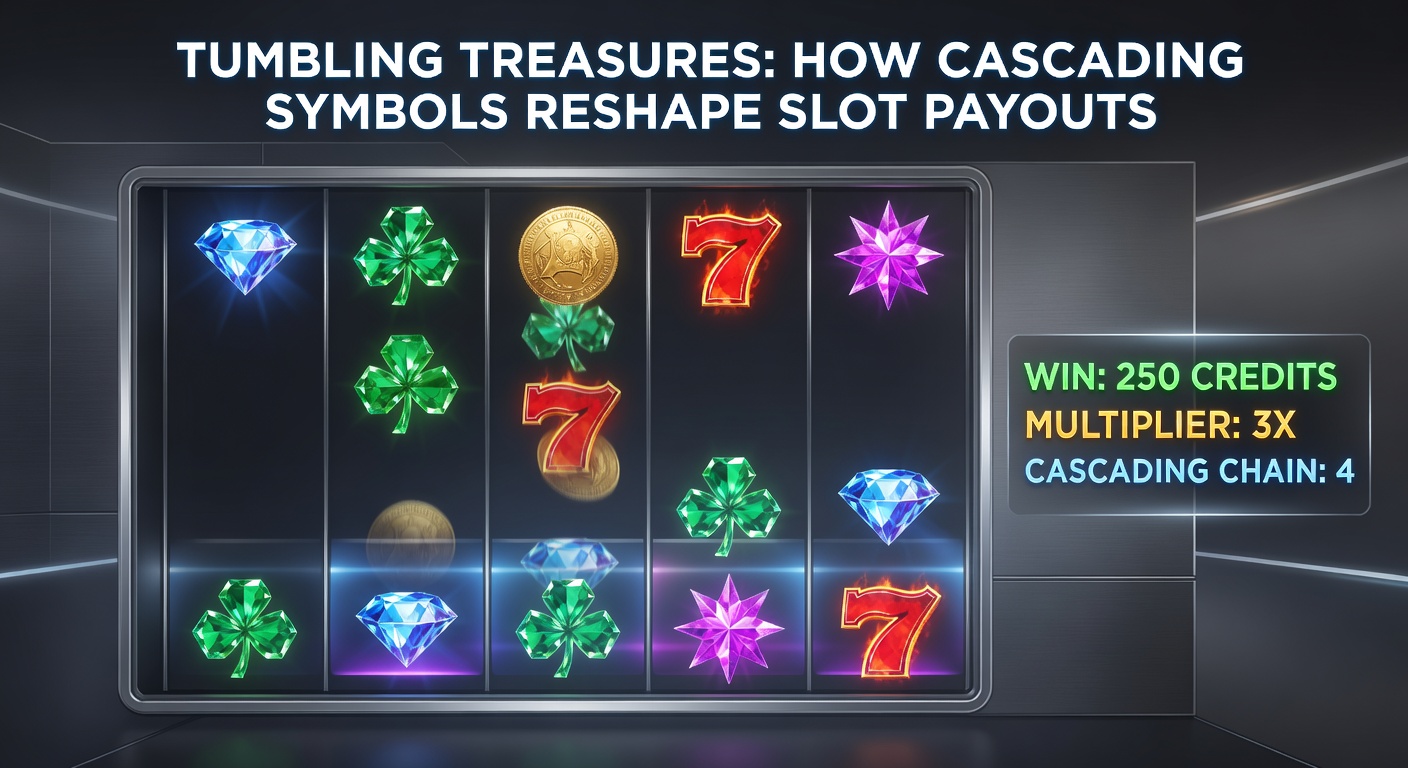
But here's where it gets interesting: modifiers like increasing multipliers (1x, 2x, 4x per cascade) or symbol destroys create feedback loops, and developers like Pragmatic Play embed them in hits such as Gates of Olympus, where Zeus hurls gems that cascade eternally during bonus rounds, leading to recorded payouts exceeding 5,000x in verified sessions. People who've tracked leaderboards know the rubber meets the road in free spins, where tumbles persist without reset, stacking globals until the board clears; research from Swedish gaming institutes found such phases contribute 70% of total returns in cascade-heavy titles.
Popular Games and Real-World Examples
Sweet Bonanza by Pragmatic swaps reels for a 6x5 cluster grid, where tumbles follow pays anywhere, multipliers from candy bombs amplify drops up to 100x, and players report chains lasting 15+ sequences; data indicates this title's tumble rate hits 45% of spins, reshaping casual play into bomb-hunting marathons. Then there's Reactoonz from Play'n GO, clustering aliens that explode in pairs, chaining reactions across a 7x7 field with quantum features charging mid-tumble, and metrics show it sustains RTP through volatile swings.
Yet observers note variety: Nolimit City's San Quentin uses xWays and xNudge in cascades for prison breakouts, where symbols split or expand during drops, pushing max wins to 150,000x; one case study from operator reports highlighted a 2025 session netting 75,000x via 12-tumble super bonus. And in April 2026, studios like Push Gaming roll out hybrid cascades in titles blending megaways with purchase features, adapting to mobile screens where quick tumbles suit thumb-swipes perfectly.
- Gonzo's Quest: Avalanche multipliers to 15x, pioneer of the mechanic.
- Money Train series: Lockdown spins with persistent tumbles, extreme volatility.
- Dead or Alive 2: Sticky wilds during cascades, Western shootouts pay big.
- Rise of Merlin: Grid expansion on tumbles, magic-themed chains.
These examples illustrate how cascades fit themes from mines to myths, always prioritizing chain potential over static lines.
Technology and Fairness in the Digital Age
HTML5 engines power seamless tumbles on browsers and apps, rendering thousands of symbol drops per second without lag; programmers optimize particle effects for cascades, syncing audio blasts that cue each removal, and blockchain provably fair systems now verify RNG sequences in crypto slots. Regulators like Australia's Office of Liquor, Gaming and Racing scrutinize multiplier caps to prevent overstatement, ensuring advertised 96% RTP holds across infinite tumbles.
So developers balance spectacle with math: base game tumbles tease, bonuses unleash globals; one report from the American Gaming Association detailed how certified RNGs handle cascade variance, logging over 100 million simulated spins to tune frequencies. It's noteworthy that mobile adaptations shorten animations for faster chains, boosting retention where desktop versions linger on flair.
Trends and Future Outlook as of April 2026
By April 2026, cascades integrate AI-driven personalization, adjusting tumble speeds or modifiers based on play history (within privacy regs), and VR slots experiment with 3D physics where symbols physically cascade in immersive worlds; data from European casino aggregates shows a 22% uptick in cascade game revenue year-over-year, driven by social features sharing mega-chains. Studios push boundaries with infinite tumbles in demos, but live versions cap at 50 sequences for server stability.
Players adapt too: forums buzz with strategies timing bets for hot streaks, although stats confirm RNG reigns supreme; experts predict hybrid mechanics blending cascades with hold-and-win for 2027 lineups, keeping the treasure hunt alive amid evolving regs from bodies like Canada's Gaming Commission.
Conclusion
Cascading symbols have redefined slot payouts by chaining wins into treasure troves from single spins, boosting engagement through dynamic reels that tumble until dry; from Gonzo's pioneering avalanches to 2026's AI tweaks, this mechanic delivers volatility wrapped in visual pops, with RTPs holding steady under rigorous audits. Those diving in find the real reshape lies in sustained action, where each drop holds payout promise, and as tech advances, tumbles promise even richer cascades ahead.