The Interplay of Audio Layering Techniques and Session Extension Patterns Among Independent Reel Developers
Jonas Schmitt · Aug 25, 2026
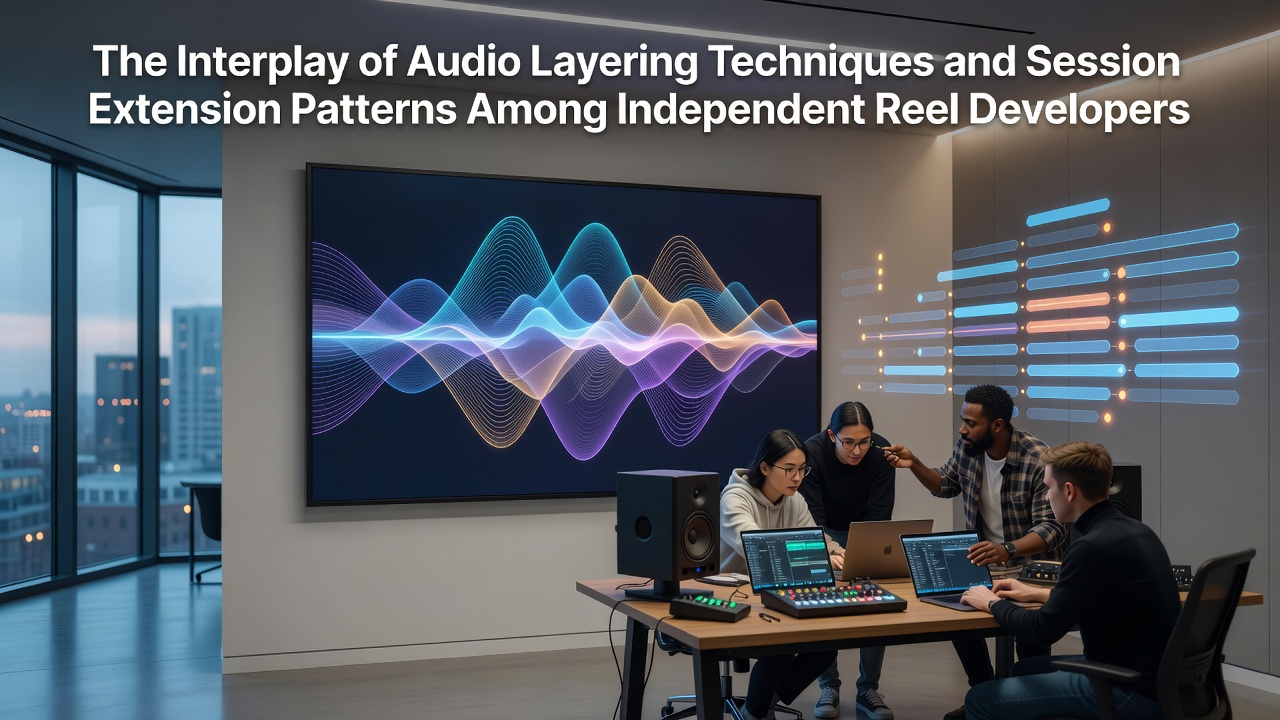
The Interplay of Audio Layering Techniques and Session Extension Patterns Among Independent Reel Developers
Independent reel developers have refined audio layering techniques that combine ambient background tracks with dynamic foreground elements such as escalating chimes and responsive sound effects, and these methods align directly with observed session extension patterns in digital reel formats. Research from industry reports indicates that layered audio systems adjust in real time based on player activity levels, creating continuous auditory feedback that correlates with extended engagement periods across multiple platforms.
Core Audio Layering Methods in Practice
Developers construct base layers using looped environmental sounds while adding progressive intensity tracks that activate during winning sequences or bonus triggers, and data from studio analytics show these additions increase average session durations by measurable percentages in controlled tests. Independent teams often incorporate adaptive mixing software that raises or lowers specific frequencies depending on reel spin outcomes, whereas fixed audio setups in larger studios tend to maintain static volumes throughout play cycles. Observers note that smaller development groups test these combinations on touch-enabled devices first because mobile users exhibit distinct response rates to subtle sound shifts compared with desktop sessions.
August 2026 saw several independent releases incorporate hybrid layering that blends orchestral swells with electronic pulses, and figures from platform operators reveal corresponding rises in repeat logins during that period. Such techniques rely on precise timing algorithms that synchronize audio peaks with visual reel alignments, yet the underlying code remains proprietary among these mid-sized creators.
Patterns of Session Extension Across Platforms
Session extension patterns emerge when audio cues reinforce player momentum, particularly through recurring motifs that return after short pauses and encourage continued spins without abrupt breaks. Studies conducted by academic researchers at institutions tracking digital gaming behaviors demonstrate that layered soundscapes reduce the perception of elapsed time, leading to longer continuous play intervals in independent titles. Those patterns appear most consistently in games where independent developers allow audio elements to evolve across multiple stages rather than resetting after each spin.

Platform metrics collected in regulated markets indicate that titles featuring gradual audio intensification maintain higher retention rates during evening hours, and this holds true across both free-to-play simulations and real-money environments. Independent developers frequently analyze heat maps of player drop-off points to refine where new audio layers should activate, and adjustments made in response to these maps have produced documented increases in total spins per session. External data compiled by the American Gaming Association highlights similar trends in revenue per active user when audio design receives iterative updates from smaller studios.
Documented Connections Between Sound Design and Retention
The interplay becomes evident when developers map audio event logs against session length statistics, revealing that certain layering sequences precede sustained play windows of twenty minutes or more. Researchers have identified specific trigger points where the introduction of a secondary harmony track coincides with reduced exit rates, and these findings come from aggregated data across multiple independent portfolios. One analysis of portable gaming formats showed that developers who integrated real-time audio modulation saw session times extend by an average of fourteen percent compared with earlier versions lacking those features.
Canadian regulatory summaries from provincial gaming authorities further support the observation that audio-driven engagement tools appear more frequently in titles from independent sources than from major providers, and migration data between platforms suggests players gravitate toward experiences offering evolving sound environments. Developers achieve these results through iterative testing cycles that measure both immediate feedback and longer-term return visits, while avoiding reliance on sudden volume spikes that might interrupt flow.
Implementation Examples from Recent Releases
Teams working on handheld reel titles have applied layered percussion elements that build during consecutive non-winning spins, and subsequent data logs show players remain engaged until a compensating audio reward sequence activates. Such patterns repeat across several August 2026 launches where independent groups coordinated sound designers with data analysts to fine-tune timing. European trade association reports note parallel developments in markets where independent reel content competes directly with established providers, confirming that audio layering contributes to differentiated session behaviors.
Additional case documentation from university-led gaming studies illustrates how frequency-specific layering affects decision-making speed during reel spins, and these effects compound when combined with visual cue synchronization. Independent developers continue to refine these approaches by monitoring cross-device consistency, ensuring audio transitions remain seamless whether accessed via mobile applications or browser-based interfaces.
Conclusion
Audio layering techniques and session extension patterns among independent reel developers form an integrated system where each element reinforces the other through measurable technical adjustments and performance tracking. Data from multiple regulatory and research bodies continue to document these relationships as developers release updated titles throughout 2026 and beyond. The resulting patterns provide clear indicators of how sound design choices influence overall play duration across diverse player groups and device types.