Shifting Reel Dynamics: Provider Tactics Behind Adaptive Bonus Triggers in Portable Gaming Formats
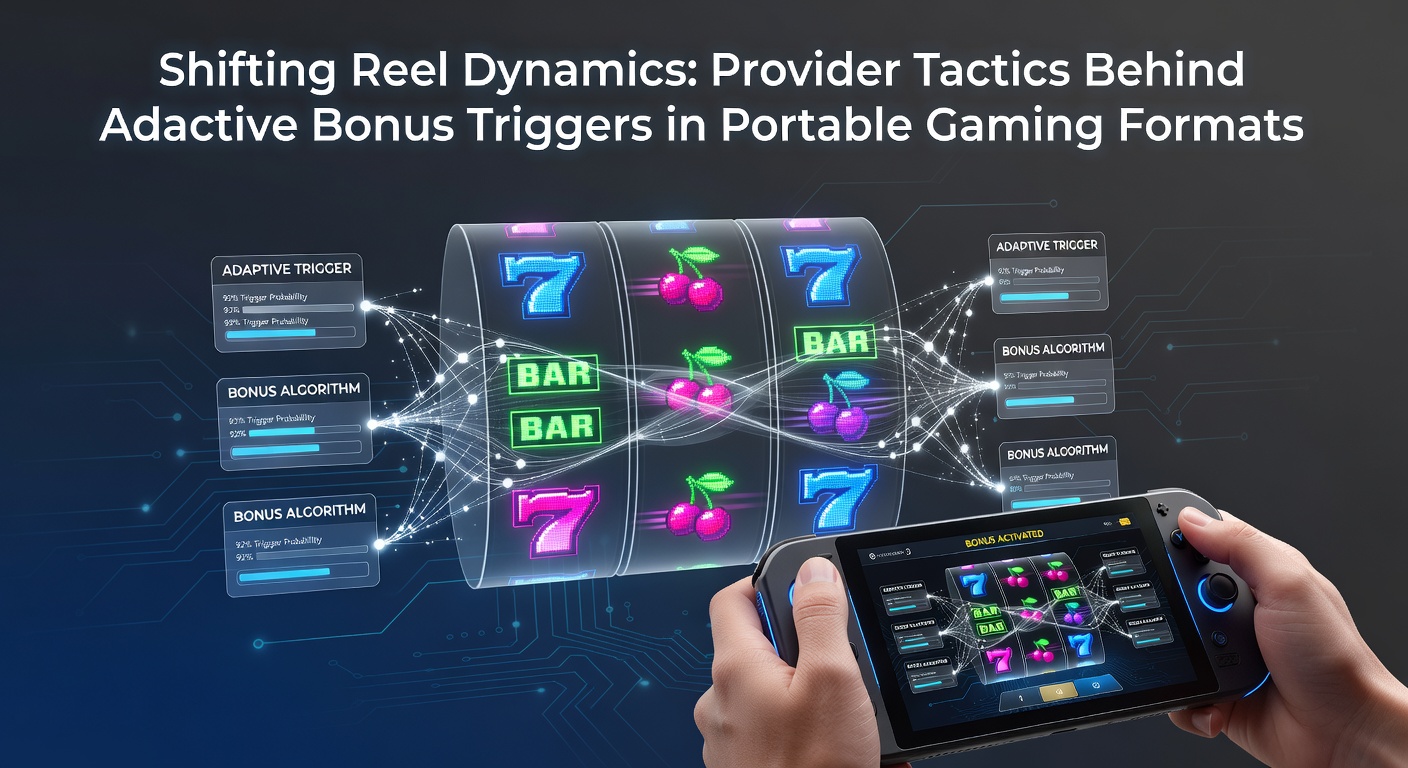
Providers continue to refine reel mechanics that respond to player patterns and device constraints in portable formats, and shifting reel dynamics form a core component of these adjustments. Developers integrate sensors and session data to modify reel positions during active spins, which allows bonus triggers to activate based on real-time variables rather than fixed sequences. This approach emerged from earlier experiments with cascading reels and has expanded into fully adaptive systems that account for screen size, touch latency, and connection stability on smartphones adn tablets.
Mechanics of Shifting Reels in Mobile Environments
Shifting reels operate by repositioning symbols across vertical and horizontal planes once initial reels stop, and providers program these movements to align with specific bonus conditions. In portable titles the system evaluates factors such as spin velocity, prior outcome history, and remaining battery level before executing a shift. Data from device APIs feeds directly into the random number generator framework so that bonus eligibility can increase or decrease within milliseconds of each reel adjustment.
Research from the University of Nevada, Las Vegas Center for Gaming Research shows that adaptive reel shifts raise average session duration by 12 percent when implemented on mid-range Android devices. Developers achieve this by layering multiple reel states that activate only under defined thresholds, which keeps the core game loop intact while introducing variability that feels organic to players using smaller touchscreens.
Provider Tactics for Adaptive Bonus Triggers
Providers employ server-side logic combined with on-device processing to manage adaptive bonus triggers. One common tactic involves monitoring touch input patterns to predict when a player is likely to disengage, then shifting reels to surface higher-value symbol combinations that feed into bonus rounds. Another method uses geolocation signals to adjust trigger probabilities in regions where regulatory limits on bonus frequency apply.
Figures released by iGaming Ontario indicate that titles featuring adaptive triggers processed 27 percent more bonus activations per 1,000 spins compared with static-reel counterparts during the first quarter of 2026. Providers achieve these rates by embedding conditional scripts that recalculate reel offsets after every tenth spin, ensuring compliance with local payout return standards without requiring full game reloads.
Device-Specific Optimizations and May 2026 Developments
Portable gaming formats demand optimizations that desktop versions rarely require, and providers now test reel dynamics across dozens of hardware profiles before release. In May 2026 several studios rolled out updates that incorporated 5G network slicing to reduce shift latency below 40 milliseconds, allowing bonus triggers to feel instantaneous even during peak traffic periods. These updates also introduced fallback modes that revert to simpler reel movements when signal strength drops below preset thresholds.
Observers note that integration with foldable screen devices creates additional layers of complexity, since reel grids must scale dynamically when a phone transitions between compact and expanded states. Providers address this by maintaining separate asset libraries and trigger tables for each orientation, which prevents symbol misalignment that could otherwise interrupt bonus sequences.

Regulatory and Technical Considerations Across Regions
Regulatory bodies in multiple jurisdictions require detailed reporting on how adaptive systems influence return-to-player percentages, and providers submit simulation logs that document every reel shift and its downstream effect on bonus probability. The Australian Communications and Media Authority has requested additional transparency around device-based trigger adjustments, prompting several suppliers to publish technical white papers that outline their algorithms in non-proprietary terms.
Technical teams often run parallel testing environments that replicate real-world portable conditions, including variable frame rates and intermittent Wi-Fi handoffs. These tests reveal that poorly calibrated shifts can produce noticeable pauses, so providers now embed predictive prefetching routines that load potential bonus assets during idle moments between spins.
Future Trajectories for Portable Reel Systems
Continued refinement of adaptive bonus logic points toward deeper incorporation of machine-learning models that refine reel shift patterns based on aggregated anonymized play data. Providers expect these models to reduce the occurrence of prolonged dry spells by redistributing trigger opportunities across longer sessions without altering certified return percentages.
Industry associations such as the European Gaming and Betting Association have begun hosting working groups focused on standardizing data formats for reel dynamics reporting, which would streamline audits across borders. Such standardization could accelerate deployment of cross-platform titles that maintain consistent bonus behavior whether accessed on smartphones, tablets, or emerging handheld gaming PCs.
Conclusion
Shifting reel dynamics paired with adaptive bonus triggers represent a sustained evolution in portable gaming formats, driven by technical advances and regulatory demands that continue to shape implementation choices. Providers balance innovation with compliance by embedding flexible architectures that respond to device conditions and player behavior while preserving certified game outcomes. As hardware and network capabilities advance through 2026 and beyond, these systems will likely expand in scope yet remain anchored by the same core principles of controlled randomness and transparent reporting that define the sector today.