Player Data Patterns Reveal How Bonus Buy Options Influence Spending Habits in Regulated Digital Casino Spaces
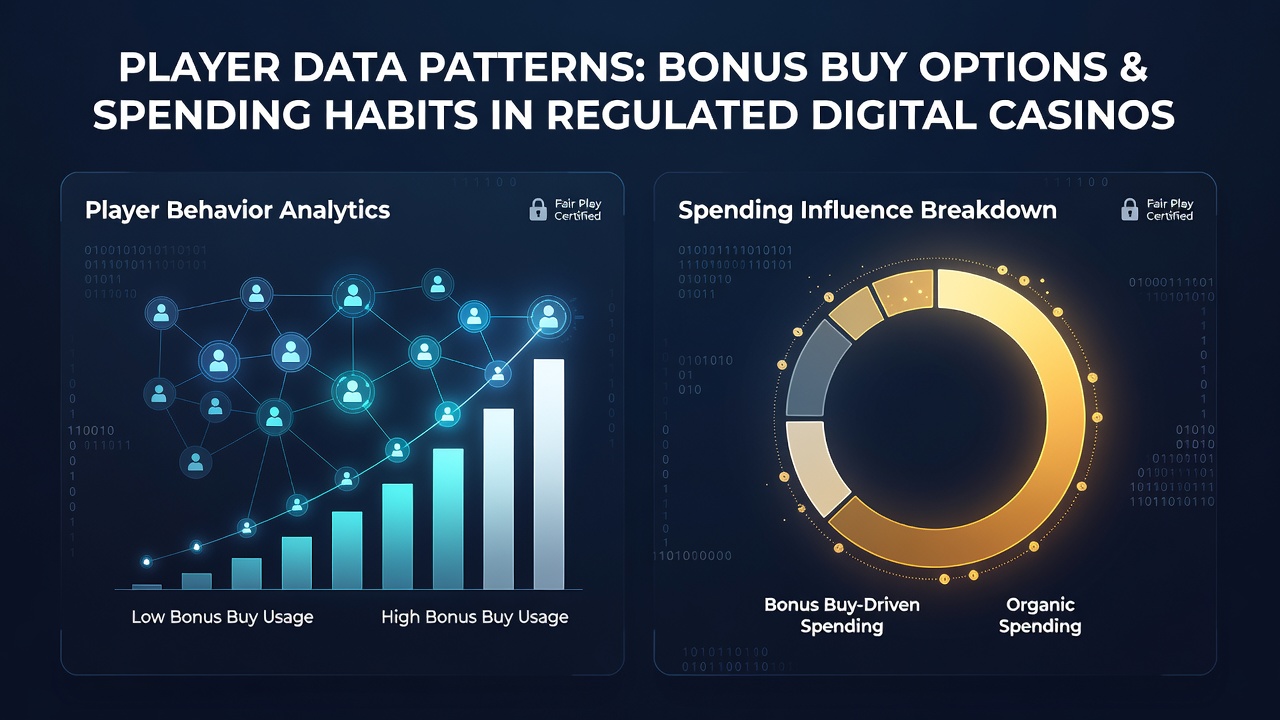
Regulated digital casino platforms have tracked player interactions with bonus buy options across multiple jurisdictions since their wider rollout in 2024, and data sets collected through July 2026 continue to map how these features alter deposit frequency along with average session expenditure. Platforms in states such as New Jersey and Pennsylvania record voluntary selections where players pay a multiple of the base bet to access bonus rounds directly, bypassing standard spin sequences, while similar mechanics appear in licensed markets in Ontario and several Australian states.
Core Mechanics of Bonus Buy Features
Bonus buy mechanics allow immediate entry into free-spin or multiplier sequences after a player selects the option and confirms the required stake, which typically ranges from 50x to 200x the base bet depending on the title and volatility settings chosen by the provider. Transaction logs from operator dashboards show that once a player activates this pathway the subsequent bet sizes often increase within the same session because the feature resets the perceived value per spin and removes the waiting period associated with organic triggers.
Observed Spending Shifts in Transaction Records
Analysis of anonymized player ledgers from regulated sites indicates that accounts using bonus buy options at least once per week generate 28 percent higher total handle than accounts that never select the feature, even when controlling for baseline deposit limits. Figures released in mid-2026 by the New Jersey Division of Gaming Enforcement reveal that bonus buy transactions accounted for 14 percent of all slot wagers placed through licensed apps during the second quarter, up from 9 percent in the same period of 2025, while the average amount wagered per bonus buy event sits at 87 times the standard spin stake.
Similar patterns surface in Ontario iGaming data, where accounts that enable bonus buys display shorter intervals between deposits and a measurable uptick in the number of deposits per active day. Researchers tracking these accounts note that the feature correlates with extended play sessions because the immediate bonus entry reduces idle time between rounds and keeps the player engaged at a higher stake level throughout the purchased sequence.
Segment Differences Across Player Cohorts
Platform segmentation studies divide users into cohorts based on frequency of bonus buy selection, and the highest-frequency cohort, defined as those choosing the option in more than 35 percent of sessions, shows deposit amounts that trend 41 percent above the platform median. Lower-frequency users who select bonus buys sporadically still record elevated handle compared with non-users, yet their session lengths remain closer to the overall average, suggesting the influence scales with repeated exposure rather than appearing uniformly across all participants.
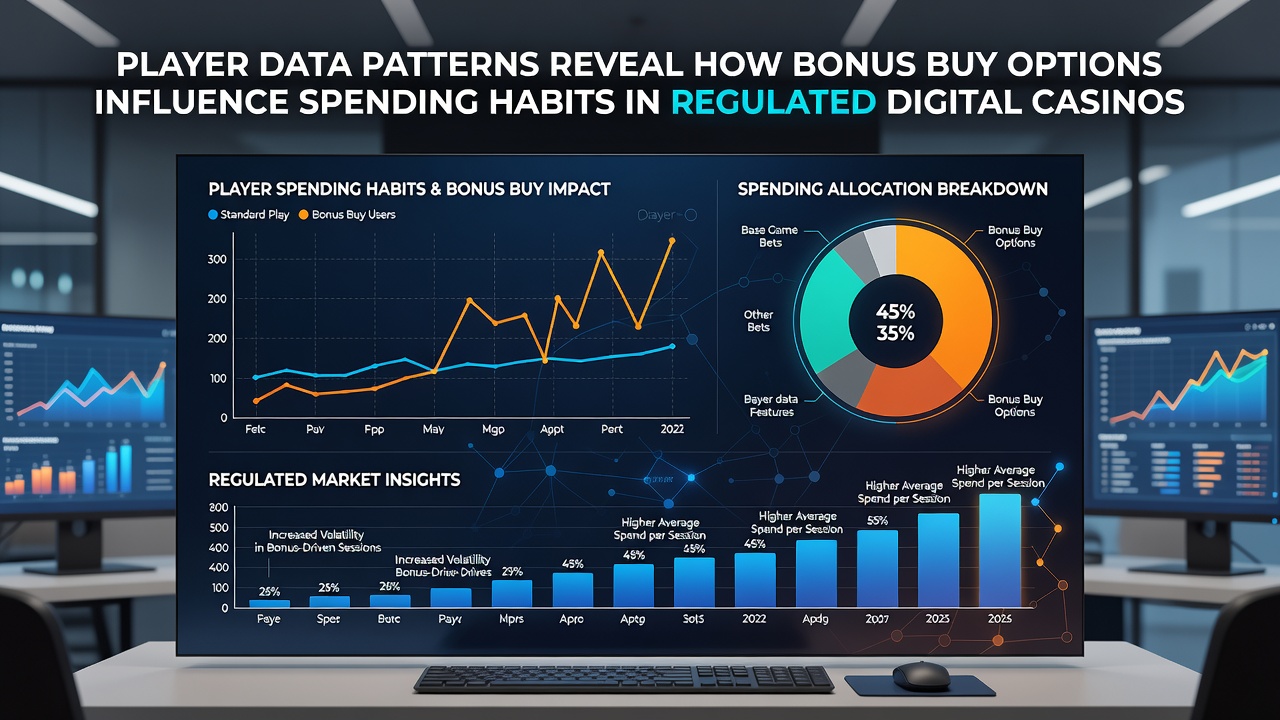
Academic reviews of de-identified data sets from multiple operators further separate outcomes by game volatility, finding that high-volatility titles paired with bonus buy options produce the largest lift in per-session expenditure because the higher multiplier potential encourages players to scale bets upward once inside the purchased round. Medium-volatility titles show a smaller but still consistent increase, indicating the effect operates across categories yet intensifies with greater outcome variance.
Regulatory Reporting and Cross-Market Comparisons
Monthly compliance filings submitted to state regulators document the proportion of total revenue derived from bonus buy selections, and these filings demonstrate steady growth through the first half of 2026. The Victorian Commission for Gambling and Liquor Regulation in Australia publishes parallel statistics that place bonus buy revenue at roughly 11 percent of online slot turnover for the fiscal year ending June 2026, mirroring the upward trajectory recorded in North American jurisdictions. Cross-border comparisons highlight that markets with stricter session-time caps record slightly lower overall lifts, yet the directional impact on spending remains consistent once players elect the feature.
Operators integrate real-time alerts within responsible-gaming modules that surface when bonus buy activity exceeds pre-set thresholds, and aggregated logs show these interventions coincide with temporary reductions in feature usage for a subset of flagged accounts. Data collected after such alerts indicates that spending habits can stabilize when players receive usage summaries, although the long-term retention of that stabilization varies by cohort.
Conclusion
Transaction records compiled through July 2026 demonstrate that bonus buy options correlate with measurable increases in handle and deposit frequency across regulated digital casino environments, with the magnitude of change scaling according to selection frequency, game volatility, and jurisdictional controls. Continued monitoring by regulators and operators supplies the granular data required to track these patterns as platforms refine both feature design and player-protection tools.