Pennsylvania Supreme Court Decision Redefines Skill Games as Slot Machines

The Pennsylvania Supreme Court issued its ruling on June 15, 2026, that skill games operating across the state qualify as slot machines under existing law, which means they fall under Pennsylvania’s gambling statutes and regulatory framework. This determination impacts an estimated 70,000 machines currently placed in taverns, gas stations, and convenience stores throughout the commonwealth, and the court granted the legislature a 120-day period to establish oversight mechanisms before enforcement actions could begin.
Background on Skill Games in Pennsylvania
Skill games have operated in various retail and hospitality locations for years, often marketed as games of skill rather than chance, which allowed operators to position them outside traditional gambling regulations. Observers note that these machines typically involve players completing tasks like matching patterns or solving puzzles to achieve payouts, yet the court examined whether the element of chance still predominated in their design and function. Data from state analyses indicate that such devices generated significant revenue streams for operators and location owners alike, creating an informal sector that functioned parallel to licensed casino gaming.
Legal challenges reached the Pennsylvania Supreme Court after lower courts issued conflicting opinions on the classification of these devices. The case centered on whether the machines met the statutory definition of slot machines, which includes any device that produces outcomes based on chance even when skill elements appear present. Court records show that arguments from both sides focused on the balance between player input and random results, leading to the final determination that aligned them with regulated gambling equipment.
Details of the June 2026 Ruling
The decision explicitly states that skill games must comply with Pennsylvania’s gambling statutes, which encompass licensing requirements, taxation obligations, and operational standards enforced by the Pennsylvania Gaming Control Board. Under the ruling, the 120-day window provides the General Assembly time to draft and pass legislation that could legalize, tax, and monitor the machines rather than remove them outright. If lawmakers fail to act within that period, authorities may proceed with seizures of non-compliant devices.
According to a revenue and tax analysis prepared earlier in 2026, regulating these games could produce new streams of state income through licensing fees and percentage-based taxes on machine earnings. The report highlights potential annual collections in the tens of millions if operators register the devices and submit to oversight similar to that applied in casinos. Those who have studied the industry note that integration into the existing framework would require technical certifications and age restrictions to ensure compliance with broader gambling policies.
Impact on Locations and Operators
Taverns, gas stations, and retail stores that host the machines now face uncertainty as the 120-day clock ticks toward potential enforcement. Many locations rely on revenue shares from the devices to supplement primary business income, and abrupt removal could affect their financial stability. Operators of the skill game networks must prepare for either new regulatory costs or relocation of equipment if legislation does not materialize.
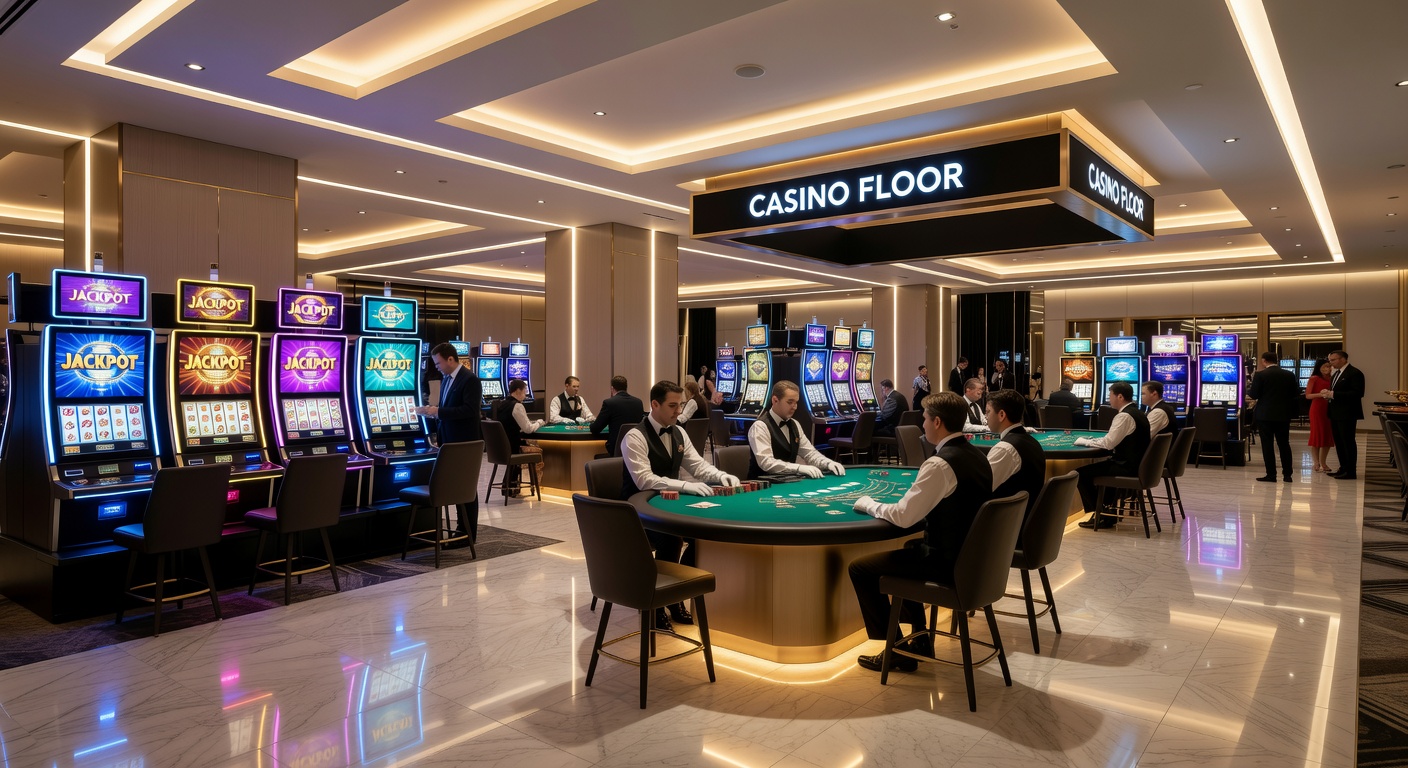
Figures from industry tracking suggest the 70,000 machines represent a substantial installed base concentrated in non-casino venues, which distinguishes this situation from traditional slot operations confined to licensed facilities. The ruling does not immediately halt play, yet it signals that continued operation without updated rules carries increasing legal risk after the legislative window closes. People who monitor gaming policy observe that similar transitions in other states have led to either formal legalization with taxes or gradual phase-outs depending on legislative priorities.
Legislative Options Moving Forward
The General Assembly holds authority to introduce bills that could establish a regulatory structure, set tax rates, and define operational limits for skill games within the 120-day period. Proposals under discussion include creating a separate licensing category for these devices while applying revenue-sharing requirements comparable to those used for video gaming terminals in other jurisdictions. Lawmakers could also choose to ban the machines entirely or impose strict location restrictions that limit them to certain types of establishments.
Data compiled in the regulatory analysis shows that structured taxation models could balance state revenue needs against operator viability, with examples from neighboring states providing reference points for fee schedules and compliance standards. The report links potential outcomes to broader fiscal planning, noting that funds might support public programs if lawmakers adopt a taxation approach. Those who track legislative sessions expect debate to intensify as the deadline approaches, with stakeholders from hospitality associations and gaming interests presenting competing positions.
Enforcement and Compliance Timeline
Should the legislature not pass enabling laws by mid-October 2026, state and local authorities gain clearance to begin removing machines that lack proper authorization. The Pennsylvania Gaming Control Board would likely coordinate with law enforcement agencies to identify and seize non-compliant equipment, following procedures already established for illegal gambling devices. Operators retain the option to seek court challenges or request extensions, although the Supreme Court ruling sets a clear baseline for future proceedings.
Compliance efforts in the interim involve operators reviewing machine software to determine whether modifications could shift classification, yet the decision indicates that core functionality remains subject to gambling statutes regardless of minor adjustments. Location owners must monitor communications from regulators to avoid penalties associated with housing unauthorized devices once the window expires.
Conclusion
The June 15, 2026, Pennsylvania Supreme Court ruling establishes that skill games fall under existing slot machine definitions, affecting thousands of devices and prompting a defined legislative response period. The 120-day timeframe offers the General Assembly an opportunity to create a regulatory and taxation system before enforcement measures take effect. Stakeholders across retail, hospitality, and gaming sectors now await legislative action that will determine the machines’ long-term status in the state.