Massachusetts House Approves Historical Horse Racing Terminals in Economic Development Package

On July 8, 2026, the Massachusetts House of Representatives passed a provision that authorizes historical horse racing machines at the state's remaining racetracks, and lawmakers embedded this authorization inside a larger $561 million economic development bill. The terminals display spinning reels and support rapid play cycles, yet they base outcomes on archived past horse races processed through pari-mutuel wagering systems instead of random number generators.
The measure now moves to the Senate for further consideration, and several casino operators along with one tribal nation have already registered formal objections. Encore Boston Harbor, MGM Springfield, and Plainridge Park contend that the devices operate as unregulated slot machines, while the Mashpee Wampanoag tribe argues that expanded placement would undercut existing casino compacts.
Details of the Legislative Action
The House vote folded the racing terminal authorization into broader spending language designed to support infrastructure and job creation initiatives across multiple sectors, and the combined bill carries a total value of $561 million. Lawmakers limited deployment of the machines to racetrack locations that remain active in the state, and they specified that all wagers must follow pari-mutuel rules tied to previously recorded races.
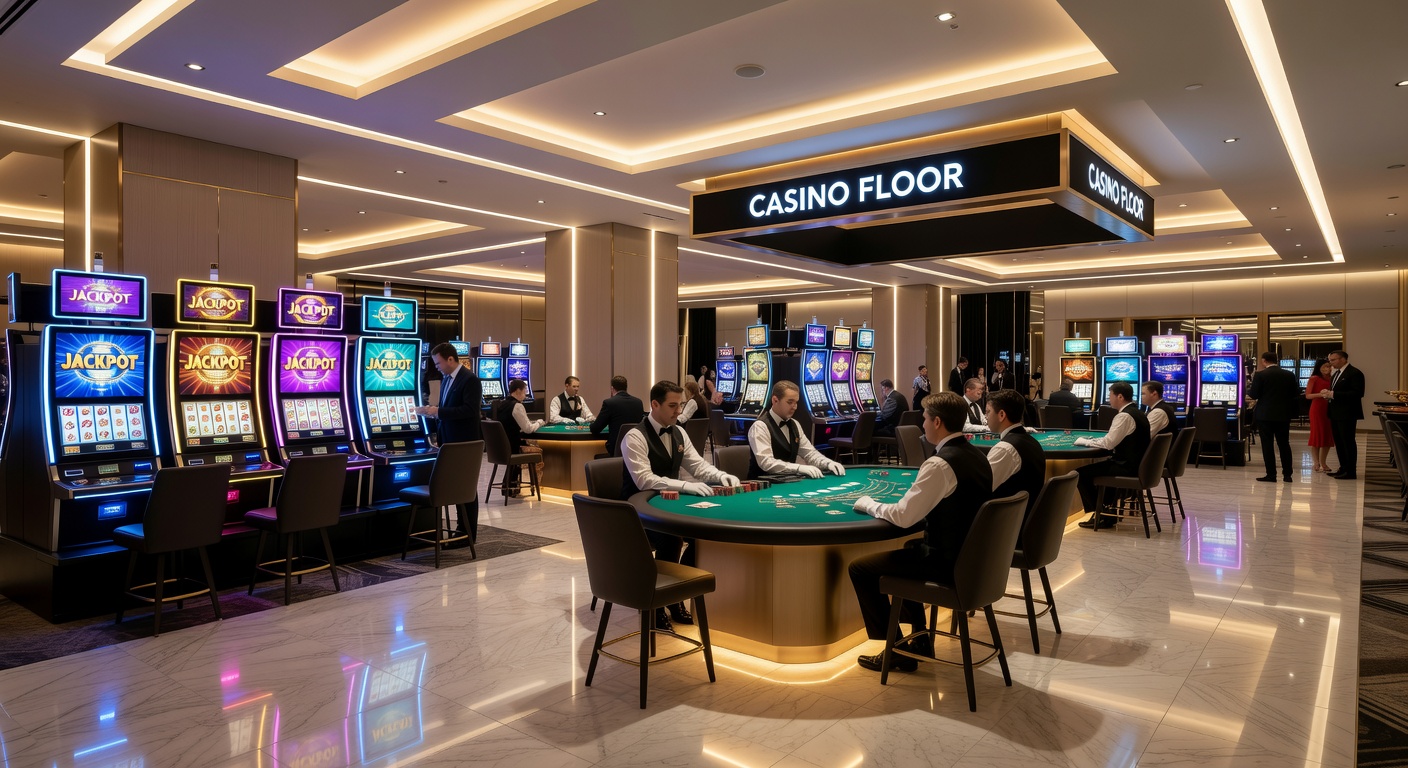
Because the outcomes derive from historical data rather than electronic randomizers, the terminals avoid classification under certain gaming statutes that govern traditional slot machines, yet casino representatives maintain that the rapid reel format produces an experience indistinguishable from standard slots in the eyes of patrons.
How the Machines Function
Each terminal pulls results from a database of past horse races conducted at licensed tracks, and the pari-mutuel pool distributes winnings according to the actual betting activity recorded during those original events. Players select wagers on displayed races that have already concluded, which eliminates the need for live racing at the moment of play while still meeting statutory requirements for pari-mutuel activity.
Operators program the terminals to cycle through archived races at accelerated speeds, and the system recalculates odds and payouts in real time based on the volume of bets placed on each historical contest. This approach allows continuous play without dependence on current race schedules or weather conditions that affect live events.
Opposition from Licensed Casinos and Tribal Interests
Representatives from Encore Boston Harbor, MGM Springfield, and Plainridge Park issued statements asserting that the machines would divert revenue from facilities operating under state gaming licenses, and they noted that existing agreements require regulatory oversight of all slot-style devices. The Mashpee Wampanoag tribe echoed these concerns, stating that any expansion of similar terminals outside tribal casinos violates the spirit of current compacts.
Both groups have asked Senate leadership to remove the provision or subject the terminals to the same licensing and taxation framework applied to casino slots, and they have indicated plans to submit formal comments during upcoming committee hearings. No vote has occurred in the Senate as of the July 8 House action.
Path Forward for the Bill
The economic development package now advances to the Senate, where committee review and floor debate will determine whether the historical horse racing language survives intact. Legislative staff expect amendments or separate votes on the gaming provisions before the full chamber takes final action, and any changes would then return to the House for concurrence.
State budget officials have not released updated revenue projections that isolate the potential impact of the terminals, although the broader bill continues to list job creation and infrastructure spending as primary goals. The Senate calendar places the measure on an active docket for consideration in the weeks following the House passage.
Conclusion
The July 8, 2026, House vote marks the latest step in Massachusetts efforts to expand gaming options at existing racetracks while maintaining pari-mutuel structures, and the outcome in the Senate will decide whether those terminals reach operational status. Casino operators and the Mashpee Wampanoag tribe continue to press for additional regulatory safeguards, while track representatives await further legislative action on the $561 million package.