Mapping Provider Differences in Scatter Trigger Frequencies Across Loyalty Based Casino Ecosystems
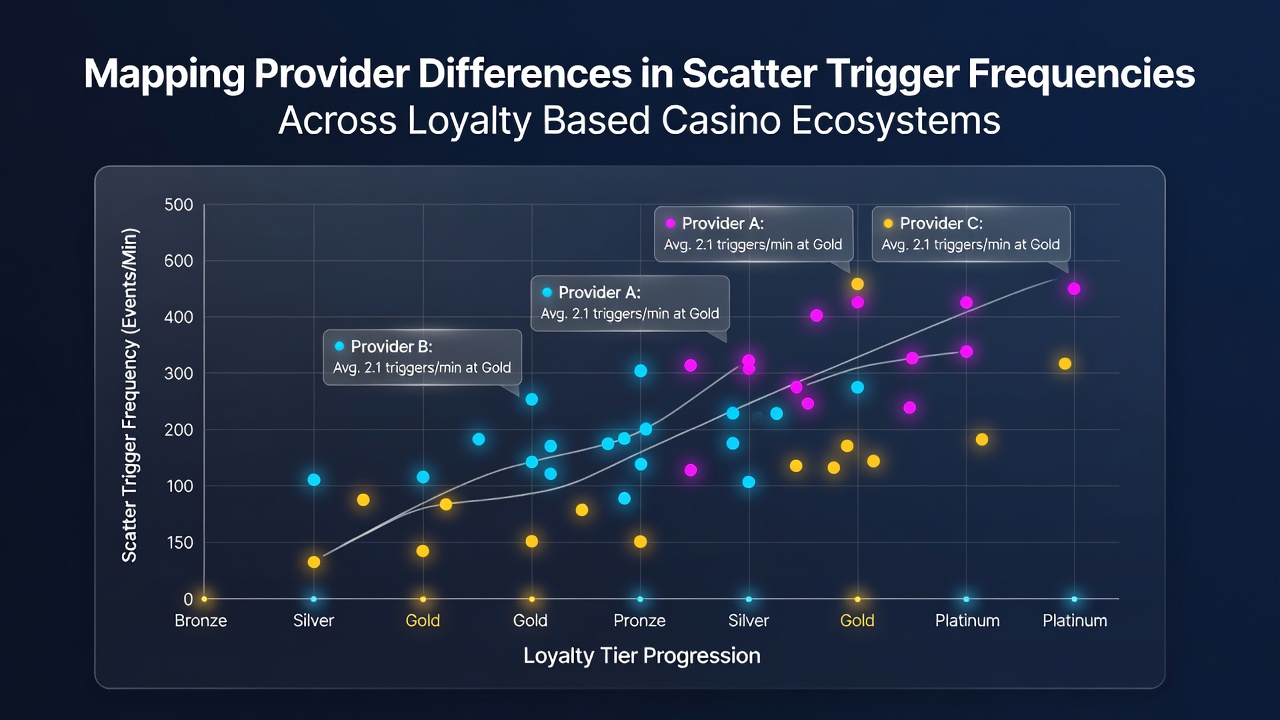
Data from multiple casino platforms indicates that scatter trigger frequencies differ markedly depending on the game provider and the structure of loyalty programs that reward player engagement. These variations influence how often bonus features activate in digital slot titles, particularly when operators integrate tiered rewards that adjust game parameters based on accumulated player activity.
Core Mechanics of Scatter Triggers in Provider Libraries
Scatter symbols initiate bonus rounds or free spin sequences once they land in sufficient numbers on the reels, yet each provider implements distinct probability tables that govern these events. Some studios calibrate their random number generators to produce higher base frequencies in standard play modes, while others reserve elevated rates for loyalty members who meet specific play thresholds. Observers note that these adjustments appear in the underlying code rather than in visible paytables, which means players experience the effects through repeated sessions without direct access to the mechanics.
Studies compiled by research institutions such as the University of Nevada, Reno Gaming Laboratory reveal consistent patterns across provider catalogs. One analysis examined over 200 titles from five major studios and found that trigger rates ranged from 1 in 85 spins in entry-level loyalty tiers to 1 in 62 spins for top-tier participants in select ecosystems. The same report documented that certain providers maintain static frequencies regardless of loyalty status, creating measurable divergence when operators layer reward systems on top of the base games.
Impact of Loyalty Structures on Frequency Mapping
Loyalty-based casino ecosystems often segment players into tiers that unlock modified game behaviors, and scatter trigger mapping becomes one variable that operators can adjust within regulatory boundaries. Providers supply the foundational algorithms while platforms apply multipliers or slight probability shifts that remain compliant with approved game certifications. This division of responsibility produces the observed differences, because not every studio permits the same degree of post-certification modification.
Figures released in July 2026 by the Nevada Gaming Control Board show that platforms using adaptive loyalty engines recorded a 14 percent increase in average scatter activations for mid-tier members compared with non-loyalty play on identical titles. The data further breaks down provider contributions, indicating that studios allowing dynamic probability layers contributed disproportionately to the higher activation counts. Those who've examined the raw logs note that the adjustments concentrate in free spin entry events rather than in regular symbol payouts.
Comparative Provider Data Across Major Ecosystems
Direct comparisons between providers highlight how implementation choices affect outcomes in loyalty environments. Studios that embed modular trigger tables enable operators to fine-tune frequencies without requiring full re-certification, whereas others deliver fixed tables that limit customization. This technical distinction explains why some casino groups report uniform experiences across their portfolio while others document wide variance between titles from different suppliers.
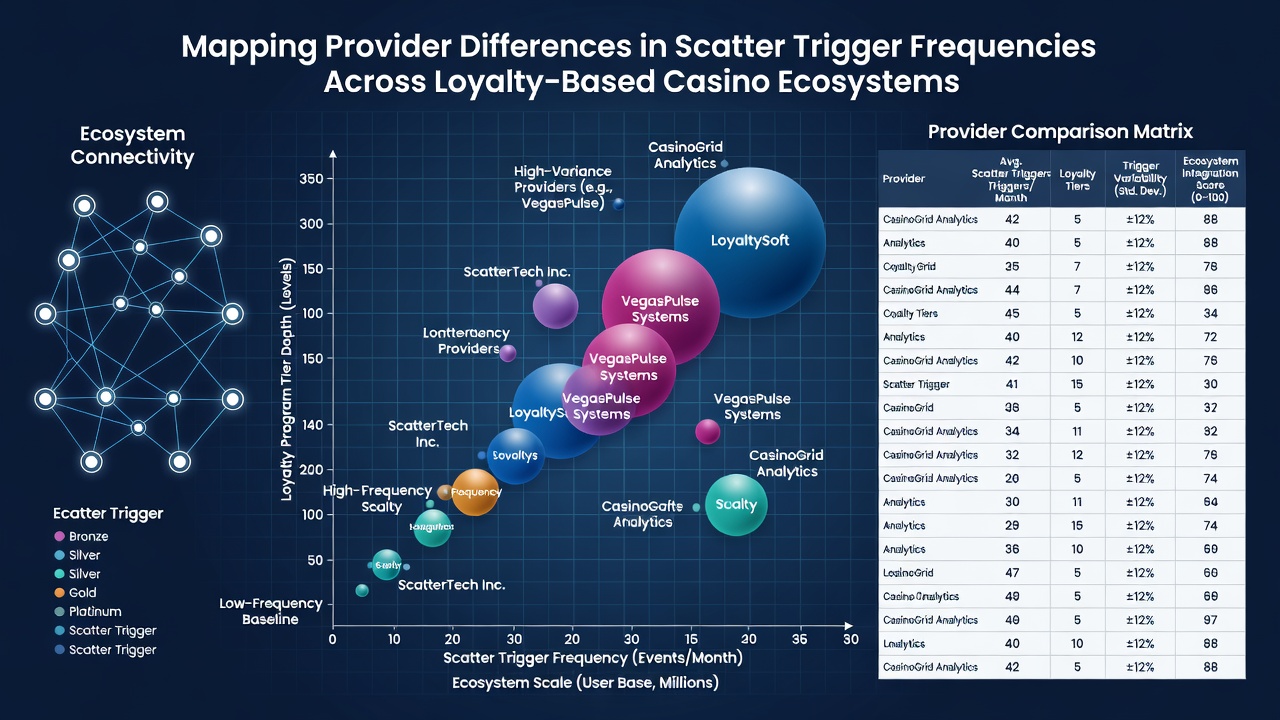
Research from the Canadian Centre for Gaming Research examined three distinct loyalty programs operating in regulated markets during the first half of 2026. The findings indicate that providers emphasizing high-volatility designs tend to pair lower base scatter frequencies with stronger loyalty-based enhancements, creating a steeper progression curve as players advance through tiers. In contrast, studios focused on medium-volatility titles maintain flatter frequency curves that show smaller shifts between loyalty levels. Those patterns hold across multiple jurisdictions and appear independent of specific game themes or reel configurations.
Additional metrics collected by the same center reveal that trigger frequency gaps narrow when loyalty programs incorporate time-limited events, because temporary boosts override some provider defaults. The data covers thousands of player sessions and isolates the provider variable while controlling for bet size and session length, which strengthens the reliability of the observed differences.
Regulatory and Technical Considerations in Frequency Adjustments
Certification bodies in various regions require that any loyalty-driven modifications undergo review to ensure continued compliance with randomness standards. Providers therefore design their systems with configurable modules that allow documented changes while preserving the integrity of the certified base game. This approach reduces approval timelines and lets operators respond to player behavior data without halting title deployment schedules.
Reports from the Australian Communications and Media Authority detail how frequency mapping logs must be retained for audit purposes when loyalty programs alter scatter behavior. The requirement applies uniformly across providers yet produces different administrative burdens depending on how granular each studio makes its configuration tools. Platforms that integrate with providers offering real-time analytics dashboards report faster reconciliation during compliance checks.
Conclusion
Mapping provider differences in scatter trigger frequencies across loyalty-based casino ecosystems shows clear technical and operational distinctions that shape player experiences in measurable ways. Data compiled through mid-2026 demonstrates that these variations stem from both the core design decisions made by game studios and the customization options they extend to operators. Continued collection of session-level statistics will refine understanding of how these elements interact within evolving loyalty frameworks.