Delving Into Cultural Myth Adaptations Within Independent Reel Development Pipelines

Independent reel development pipelines have incorporated elements from global cultural myths for decades, drawing on stories from Norse, Egyptian, and Indigenous traditions to shape symbol sets and narrative structures in digital formats, while researchers at institutions like the University of Nevada Reno document these patterns through ongoing industry analysis. Data from development studios shows that teams often begin by consulting academic sources on folklore before translating motifs into reel mechanics such as expanding wilds or multi-stage bonus rounds that echo epic quests.
Pipeline Stages Where Myth Integration Occurs
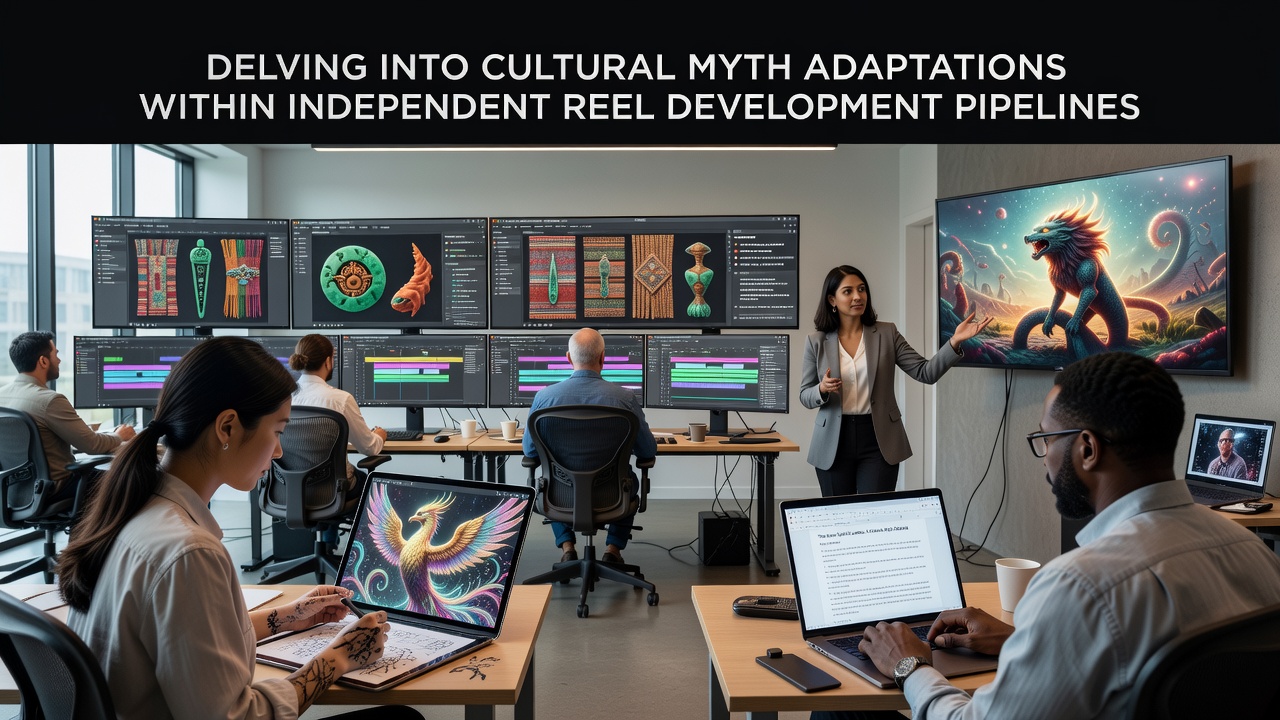
Early concept phases involve cross-referencing mythological texts with technical constraints, and developers map hero journeys from various cultures onto progression systems that unfold across base game spins and feature triggers, whereas later stages focus on visual asset creation where artists adapt iconography like thunderbolts or sacred animals without direct replication. Observers note that this process requires collaboration between narrative designers and programmers to ensure symbols align with probability models that maintain regulatory compliance across jurisdictions.
Examples from Recent Independent Projects
One studio adapted elements from West African Anansi tales into a reel framework featuring trickster symbols that alter paylines dynamically during free spin sequences, and another project drew from Mesoamerican cosmology to create layered reel expansions representing layered worlds, with each layer unlocking additional multipliers based on alignment patterns. These adaptations appear in titles released through smaller platforms during 2026, including updates that reached North American markets by July when several providers synchronized launches with seasonal cultural observances.
Studies from research institutions indicate that such integrations increase player engagement metrics by aligning thematic depth with mechanical variety, yet the work demands careful navigation of intellectual property boundaries that differ by region.
Technical Considerations in Myth-Based Symbol Design
Symbol frequency tables receive adjustments to reflect narrative importance, so central mythic figures occupy higher-value positions on reels while supporting elements fill lower tiers, and this distribution gets tested through simulation software that runs thousands of cycles to verify return-to-player percentages stay within acceptable ranges. Programmers integrate conditional triggers where specific myth-derived combinations activate secondary reels or overlay animations, creating experiences that unfold like segmented stories rather than isolated spins.
Regulatory frameworks in places such as those overseen by the Nevada Gaming Control Board require documentation of all thematic sources to prevent misleading representations, while similar oversight from bodies like the Australian Communications and Media Authority emphasizes transparency in how cultural elements translate into game mathematics. Teams therefore maintain detailed logs that trace each adaptation back to verified source materials.
Collaborations and Resource Allocation
Independent pipelines frequently partner with cultural consultants during mid-development cycles to refine accuracy, and these partnerships extend to voice acting and soundtrack composition that incorporate traditional instruments or linguistic elements, whereas budget allocations often prioritize research phases over pure asset production because errors at the concept stage prove costlier to correct later. Data compiled by industry trade groups reveals that projects incorporating external expertise complete certification processes faster on average.
What's interesting is how digital tools now allow rapid prototyping of myth-adapted mechanics, letting small teams iterate on reel configurations that blend multiple cultural influences into cohesive systems without diluting individual narrative threads.
Conclusion
Independent reel development continues to evolve through deliberate engagement with cultural myths, supported by structured pipelines that balance creative adaptation with technical and regulatory demands, and ongoing documentation from academic and governmental sources provides the foundation for these efforts across global markets.